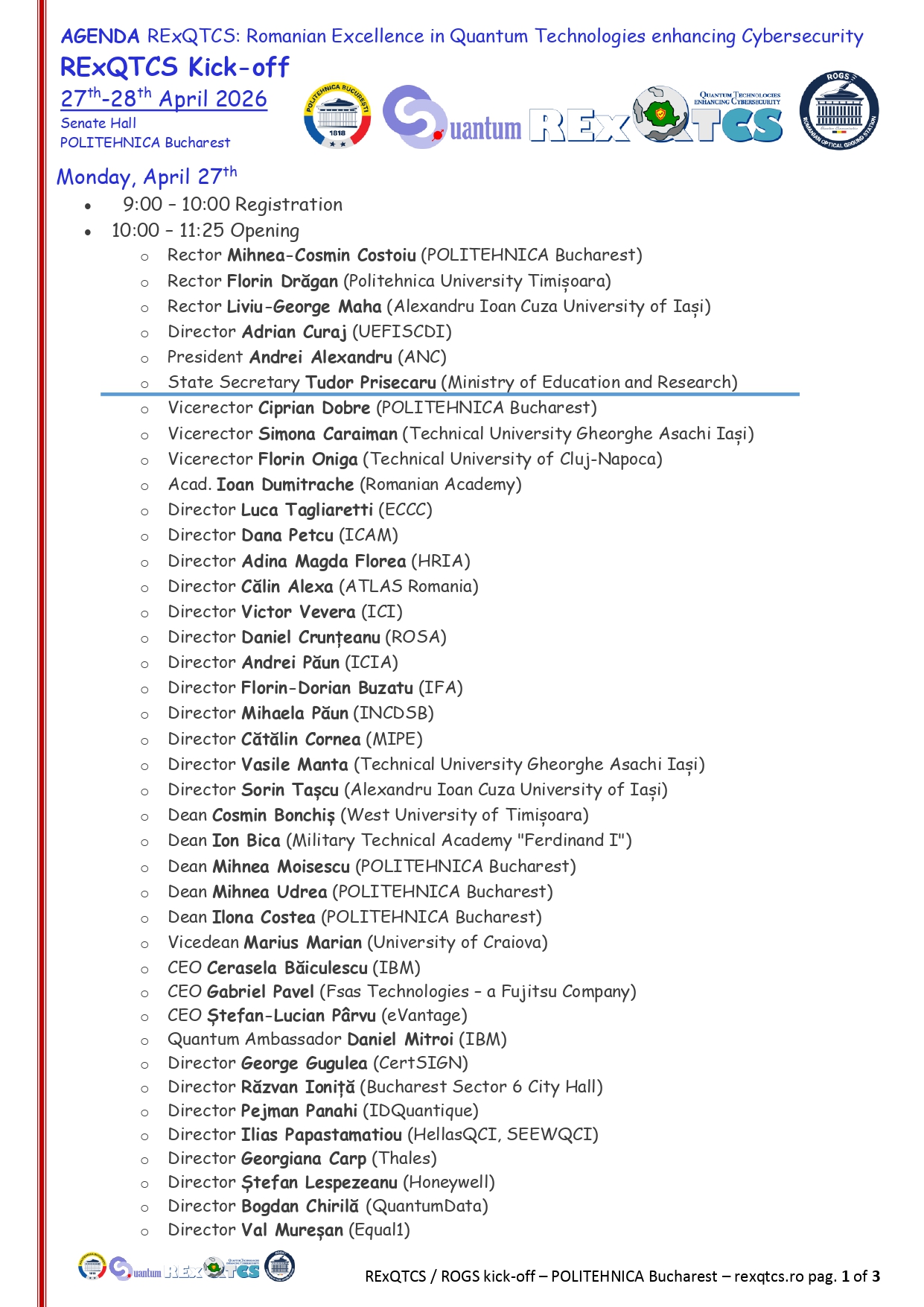
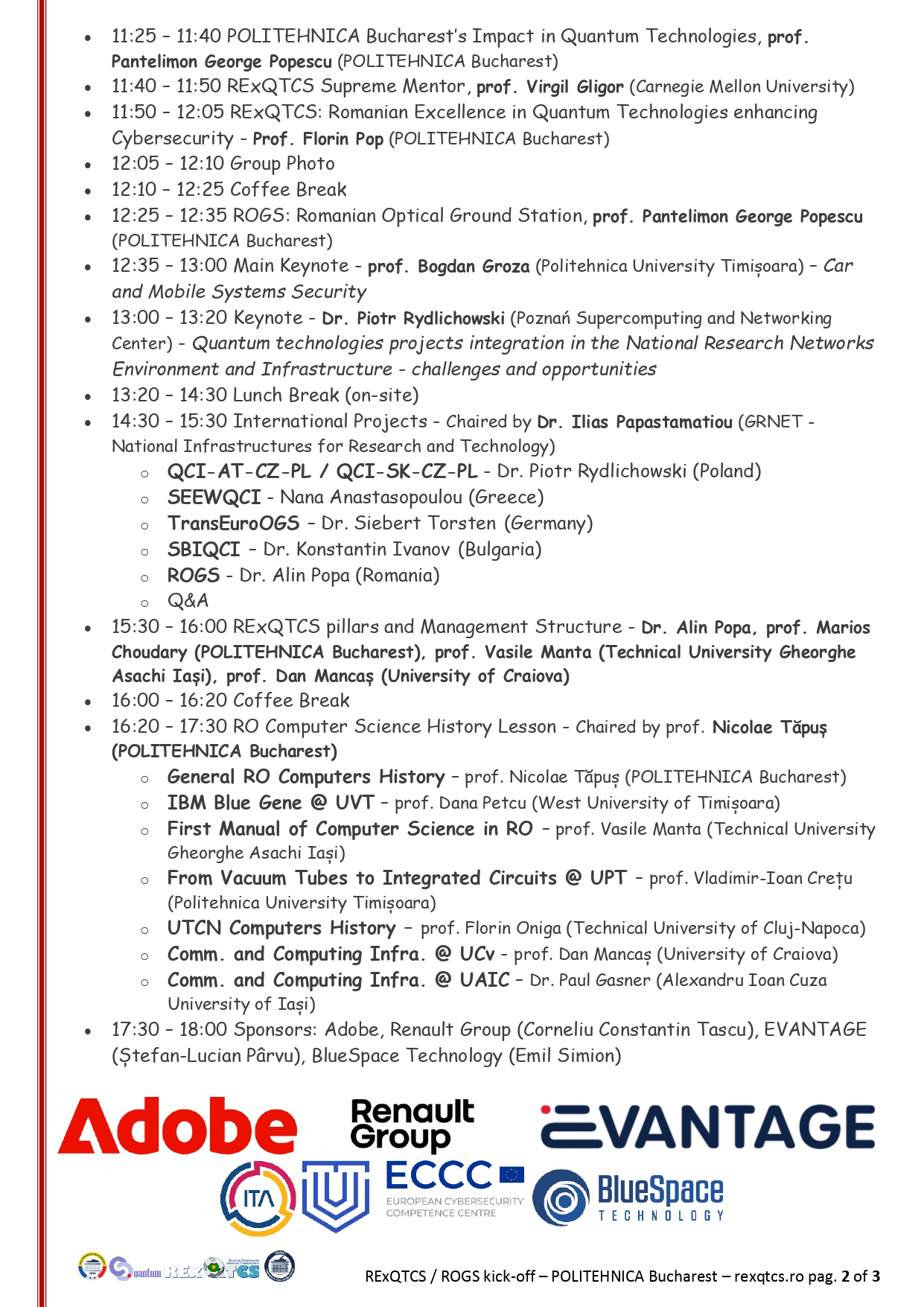
Event summary

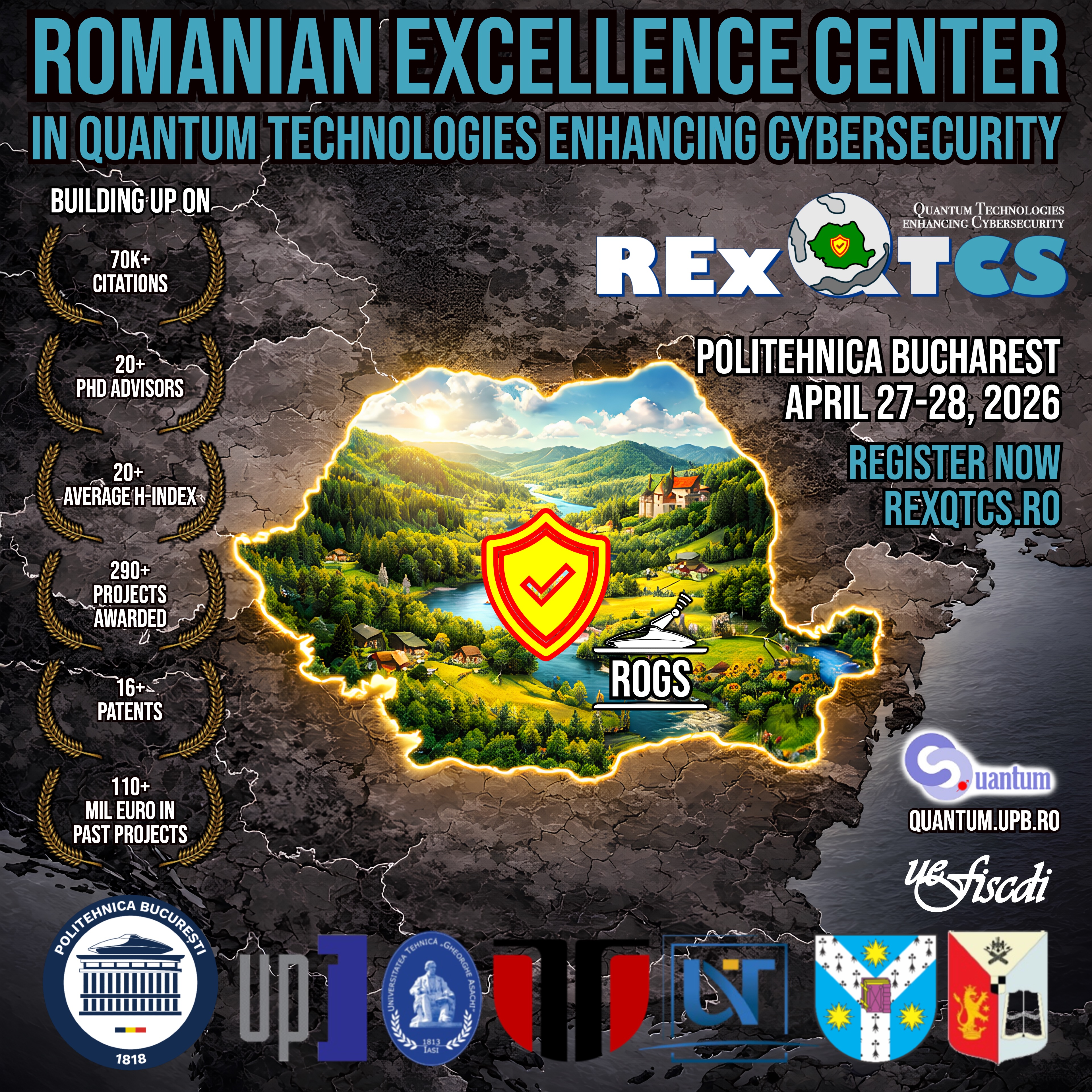
Romanian Excellence Center in Quantum Technologies enhancing Cybersecurity
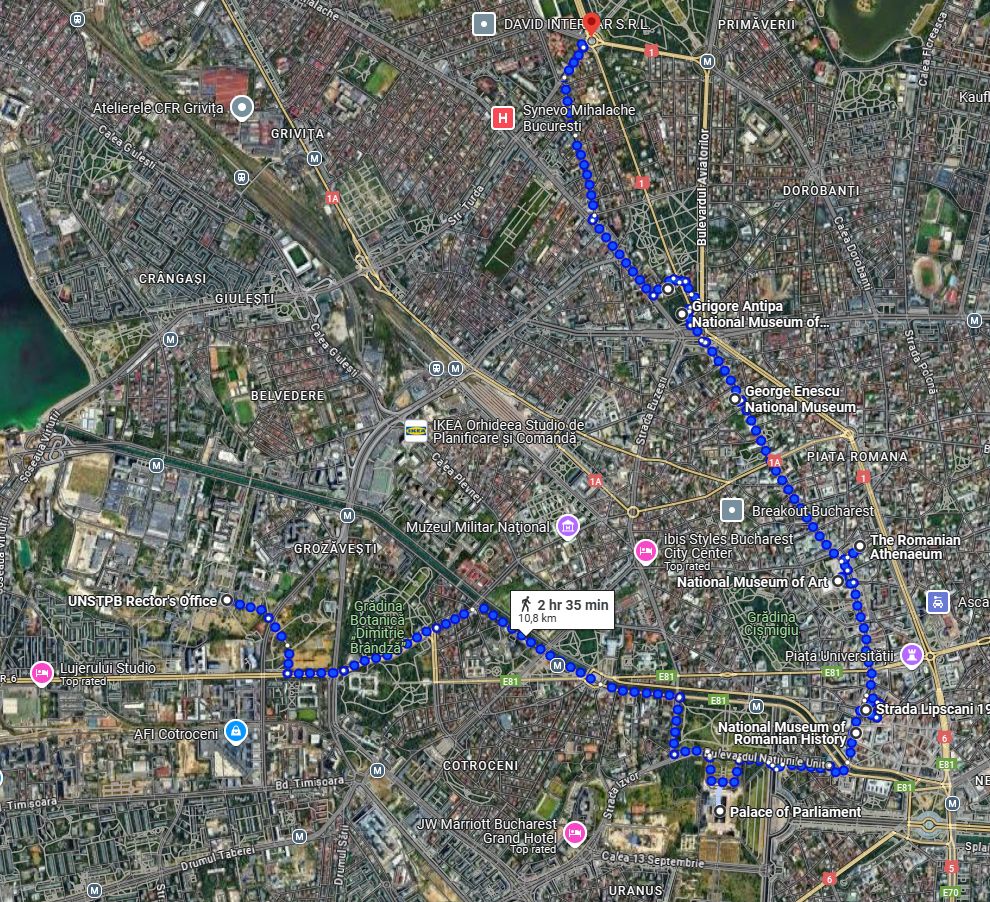
The kick-off event is organized in the Senate Hall, POLITEHNICA Bucharest, Rectorat building.
 Subway
|
 Bus
Bus
|
 Trolleybus
|
 Tram
Tram
|
 Other Options
|
From the Airport
|
From the Train Station
|
From the Subway (POLITEHNICA Station)
|
From the City Center
|
Romania’s vibrant capital, where history and modernity blend seamlessly. Known for its grand architecture, bustling streets, and dynamic cultural scene, Bucharest offers something for every visitor.
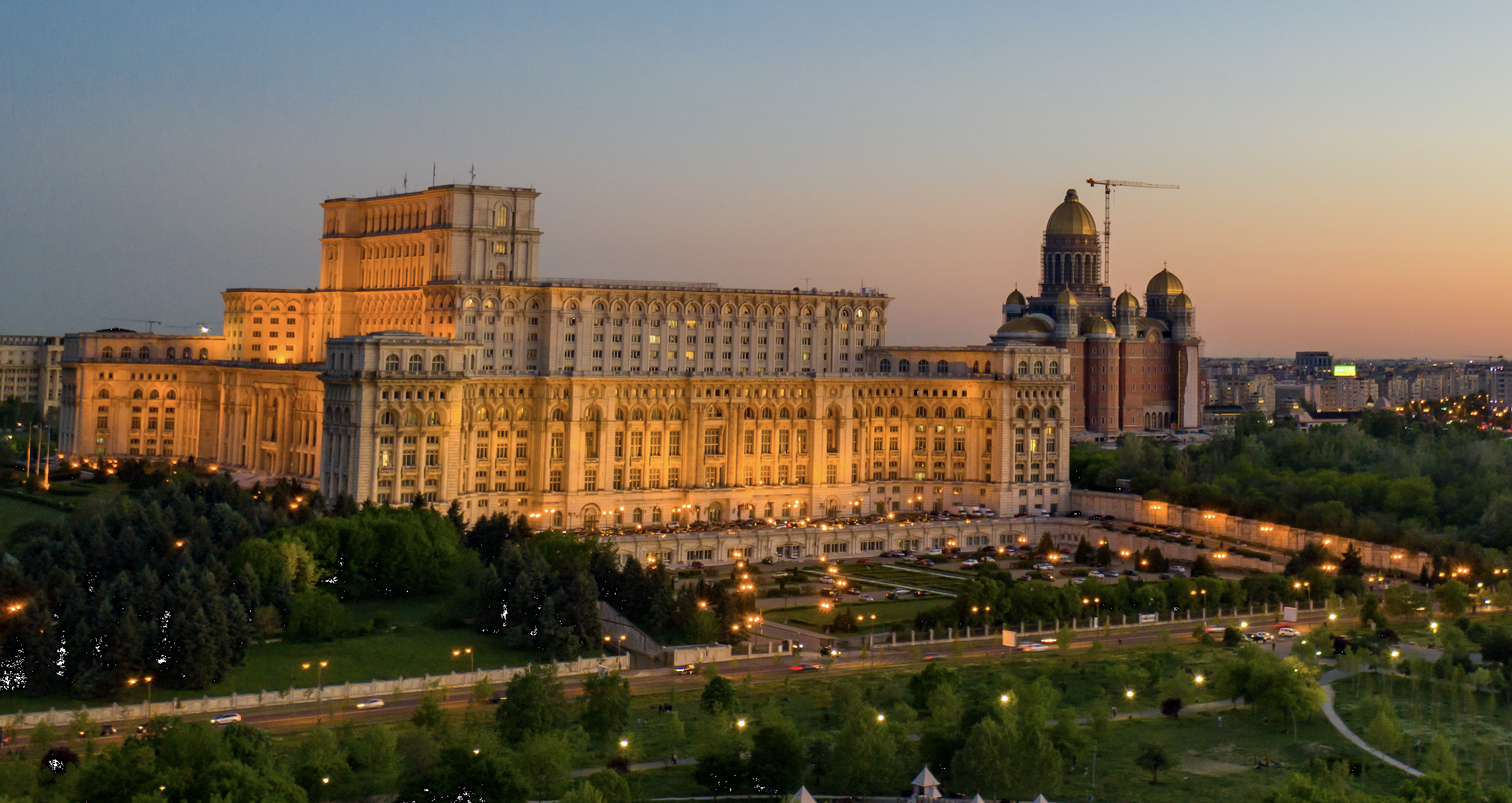
Founded in the 15th century, Bucharest began as a small trading town along the Dâmbovița River. It became the capital of Wallachia in the late 1600s, gradually evolving into a major cultural and economic center. Over the centuries, the city has witnessed the rise and fall of various empires and dynasties, with influences from the Ottoman Empire, the Austro-Hungarian Empire, and the Russian Empire shaping its development.
The 19th and 20th centuries marked a period of rapid modernization, as the city embraced European architectural styles and innovations. Bucharest earned the nickname “Little Paris” in the early 1900s, reflecting its French-inspired architecture and cultural life. After the fall of communism in 1989, the city began to rebuild and modernize, becoming the vibrant, diverse metropolis it is today, blending its rich history with a forward-looking outlook.
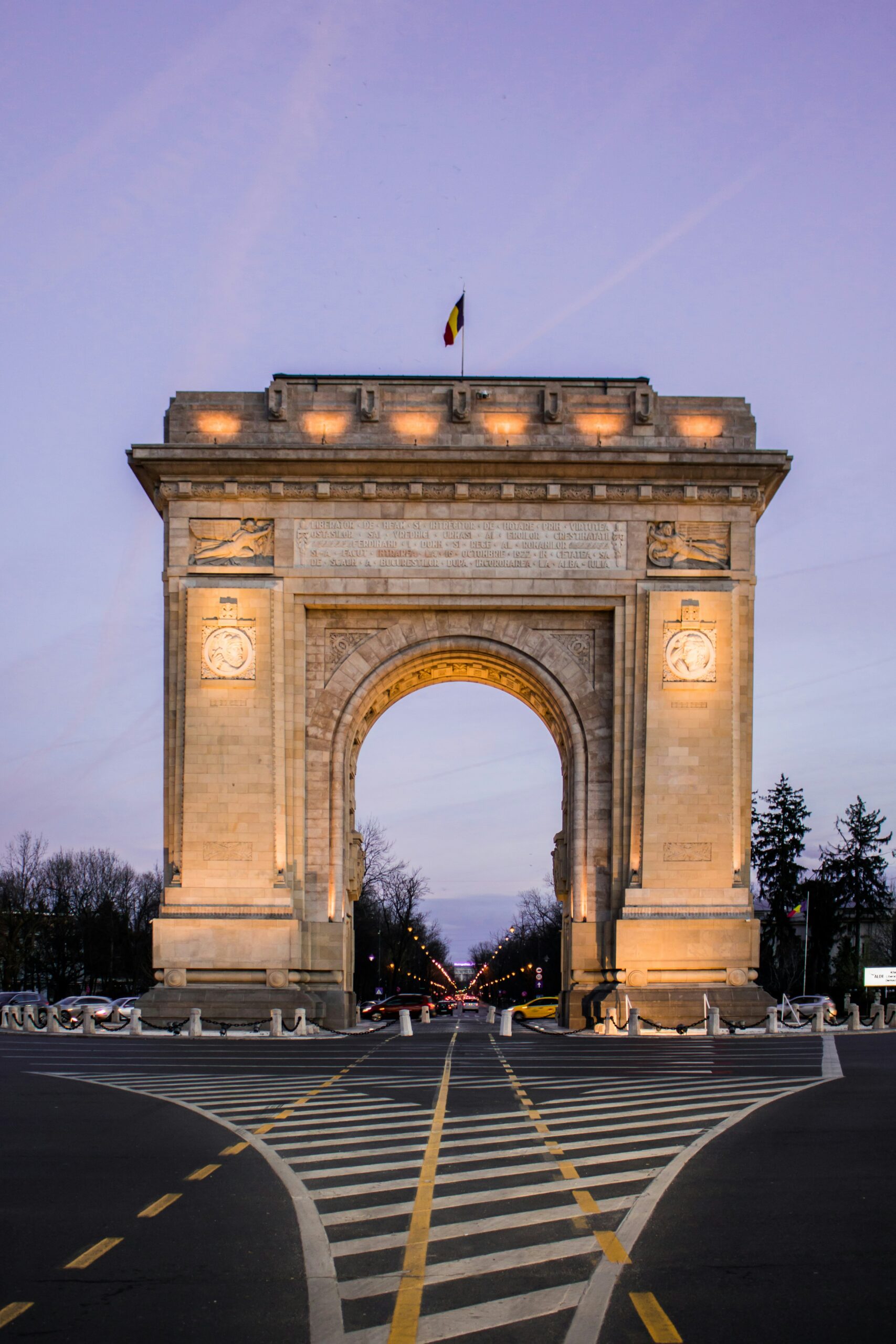
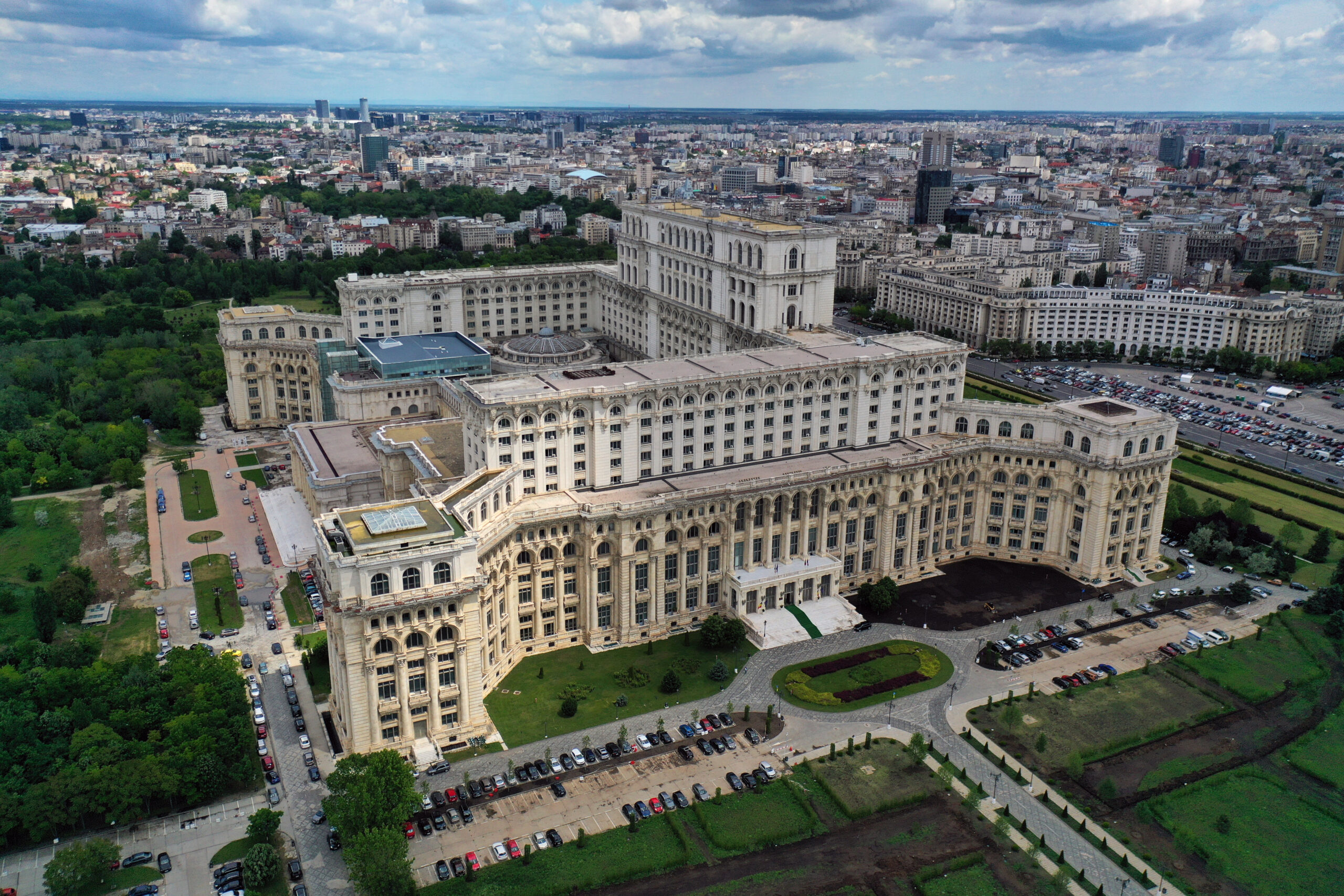
Bucharest offers a rich mix of historical and architectural landmarks, each telling a unique story. The Palace of the Parliament, one of the largest buildings in the world, stands as a monumental example of Romania’s Communist past, offering visitors a glimpse into the nation’s turbulent history with guided tours of its grandiose halls and rooms. Nearby, the Triumphal Arch celebrates Romania’s World War I victory, providing a symbolic connection to the country’s struggle and triumphs, with its intricate carvings and commanding presence in the city’s landscape.
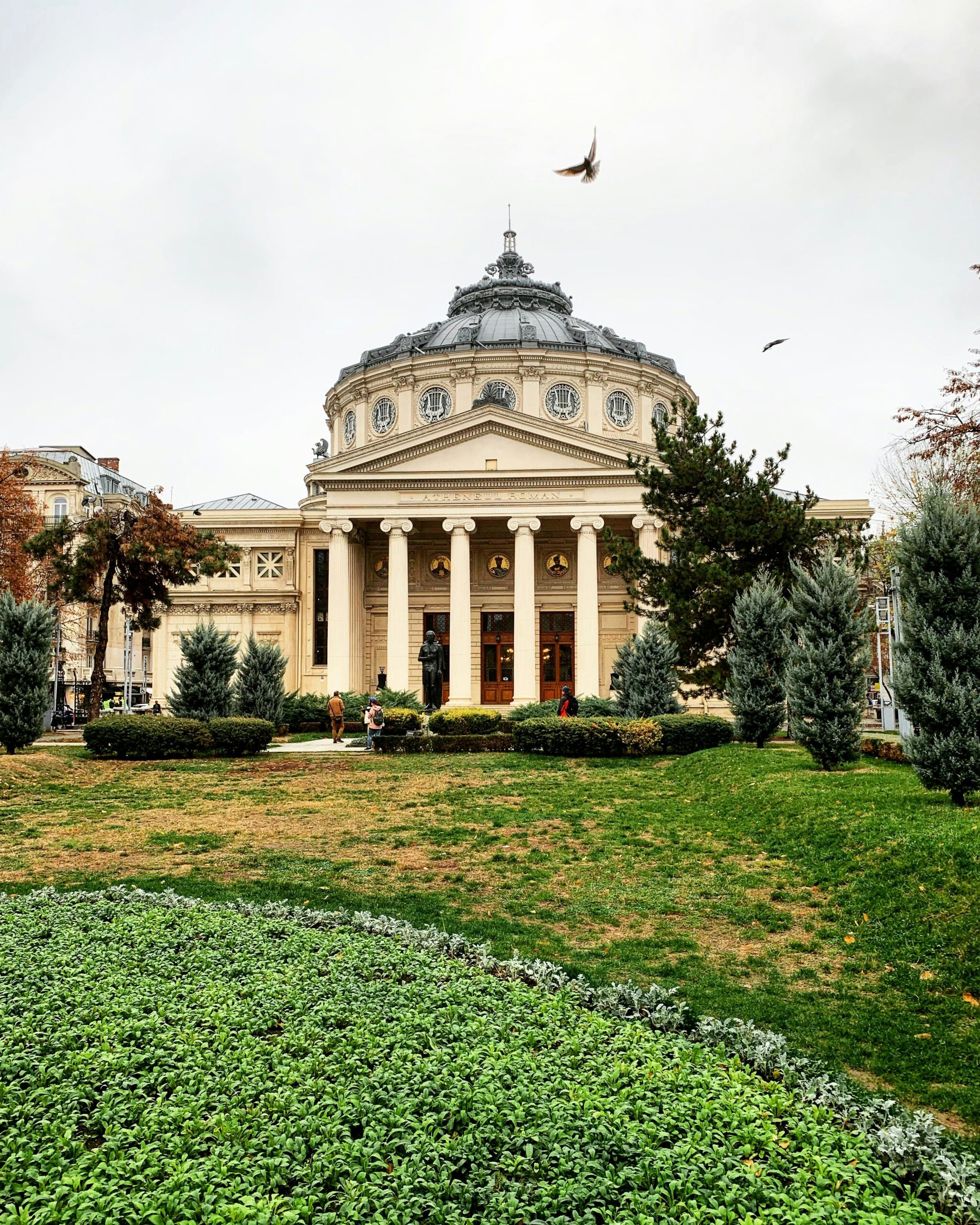
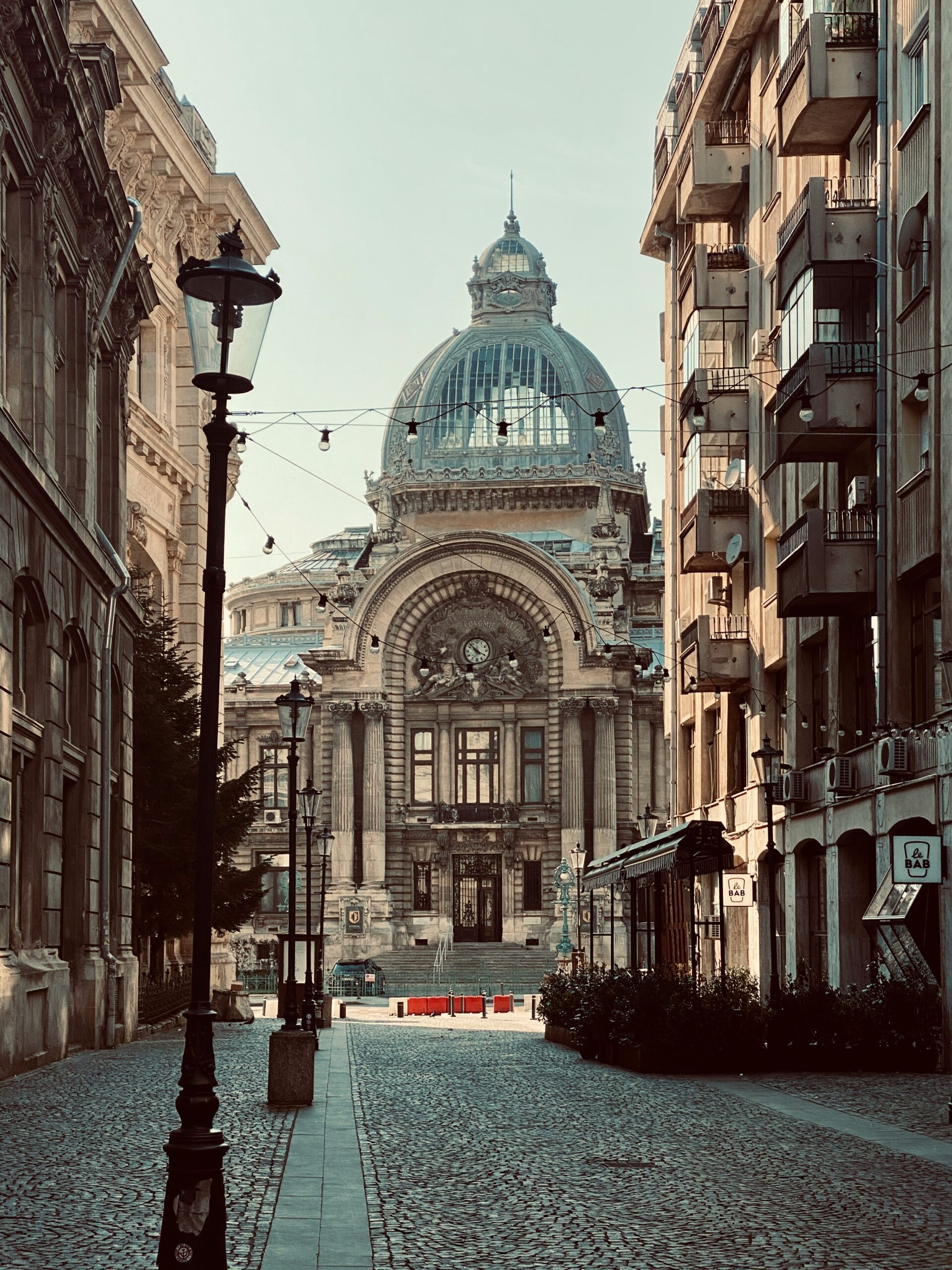
A short walk away, Bucharest’s Old Town (Lipscani District) is a lively hub of culture and history, where cobbled streets are lined with charming buildings that range from medieval to neoclassical. Visitors can wander through narrow alleys filled with vibrant cafes and bars, while also exploring the Romanian Athenaeum, a neoclassical concert hall with stunning architecture and exceptional acoustics, home to world-class performances and concerts. This blend of history and modern energy offers an experience of Bucharest’s heart and soul.
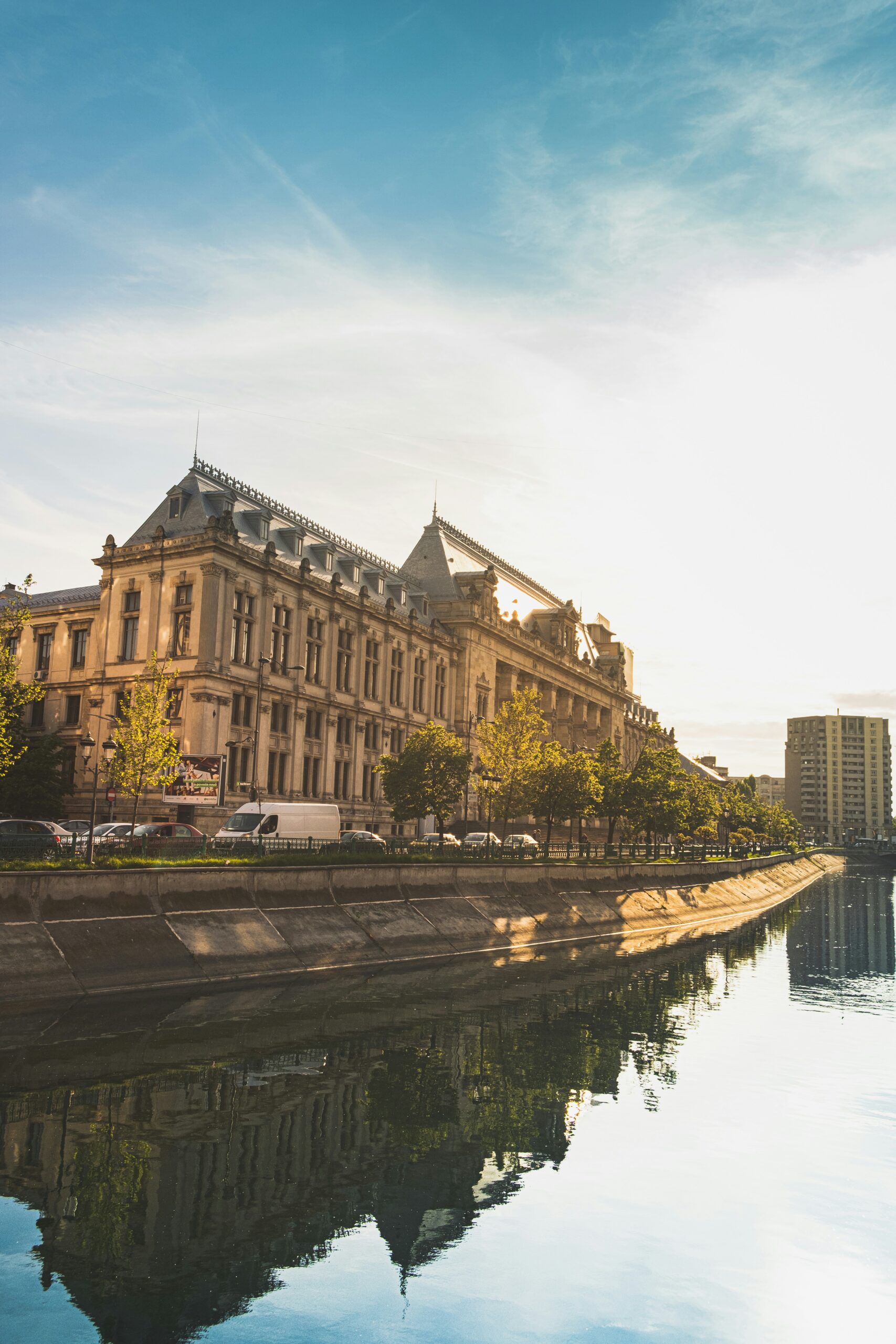
For those seeking to dive deeper into the city’s heritage, the Court of Appeal stands as a neoclassical testament to Romania’s legal system, with its elegant facade and rich historical background. Situated near University Square, it adds to the city’s classical architecture alongside other landmarks, making it a perfect stop for visitors keen on exploring Bucharest’s storied past.
A delicious mix of savory that represent Romania’s rich culinary traditions
Must-Try Romanian Dishes

Must-Try Romanian Desserts

A short list of Bucharest’s most important museums and cultural venues
Cotroceni National MuseumExplore Bucharest’s must-see landmarks and museums with this suggested one-day itinerary, designed to make the most of your visit.